Film
Films That Changed How I See Movies
There's a difference between watching movies and seeing them. For most of my life, I watched. I followed plots, liked characters, enjoyed the ride. But certain films broke something open - they made me notice the frame, the color, the silence between words. These are the films that changed how I see movies.
1. Fruitvale Station (2013)
Ryan Coogler's debut is a masterclass in dread. You know how it ends before the film even starts - the real footage plays in the opening. And yet, every mundane moment of Oscar Grant's last day carries unbearable weight.

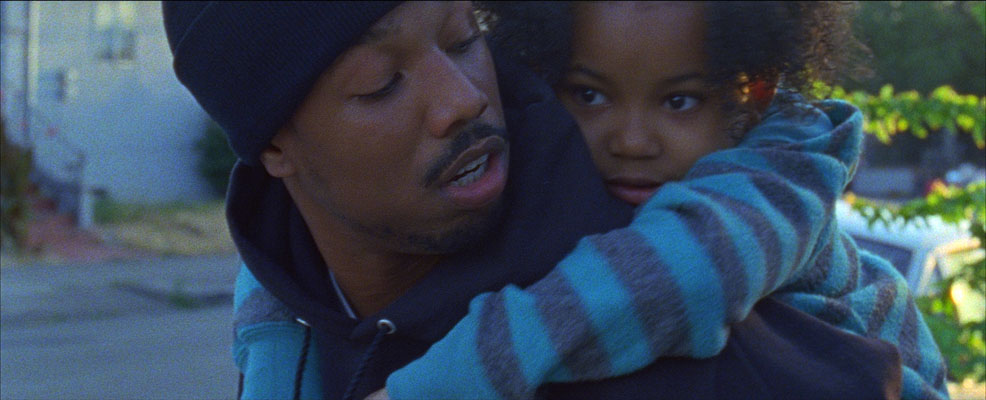
Michael B. Jordan and Ariana Neal in Fruitvale Station
What this film taught me: tension through inevitability. Coogler doesn't use horror tricks or jump scares. He uses time. Every scene of Oscar being a good father, promising to change, buying his mom crabs for her birthday - it all builds because you know. The handheld camera feels documentary-like, intimate, like you're intruding on someone's last hours.
The color palette stays naturalistic, almost muted, until the BART station. Then the fluorescent lights make everything clinical, detached. It's the visual language of institutional violence.
2. King Richard (2021)
Everyone expected this to be a Venus and Serena biopic. Instead, Reinaldo Marcus Green made a film about a man with a 78-page plan and the audacity to believe in it.

Will Smith, Demi Singleton, and Saniyya Sidney at the courts
What this film taught me: unconventional protagonist focus. The Williams sisters are the stars, but the camera stays with Richard. It's a bold choice that could've failed, but it reframes the entire story. You're watching ambition from the inside - the doubt, the strategy, the years before anyone else believed.
The California sun drenches everything in gold. Tennis courts that should feel exclusive become a family's proving ground. The visual warmth matches Richard's unwavering belief.
3. Talk to Me (2023)
Horror hadn't genuinely unsettled me in years. Then the Philippou brothers made a film about grief disguised as a possession movie.

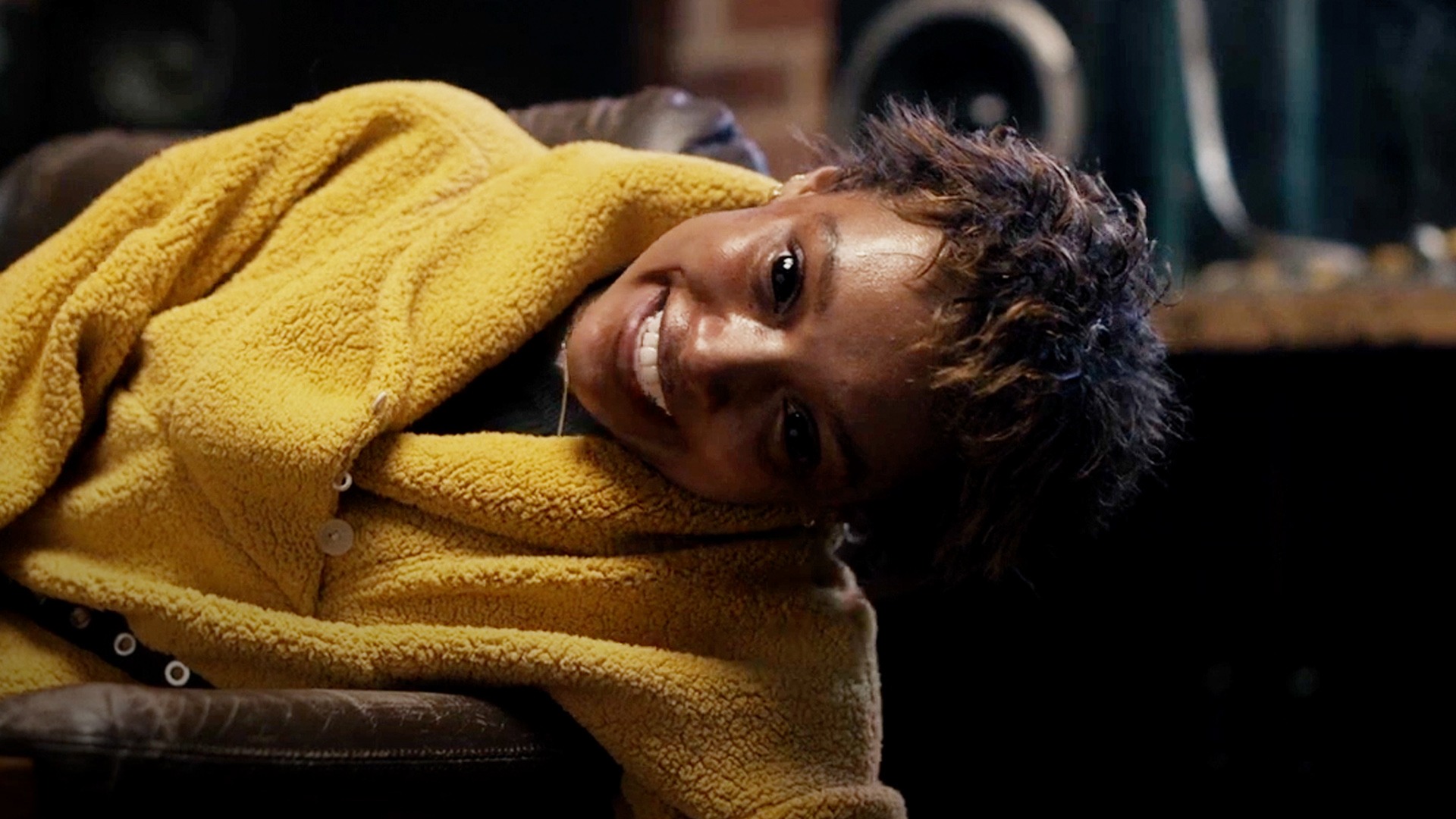
Sophie Wilde chooses to speak to it
What this film taught me: horror as emotional metaphor. The hand isn't just a gimmick - it's about the seductive pull of connection, even dangerous connection. Mia's arc is about grief making you reach for anything that fills the void, even if it destroys you.
The color work is incredible. Party scenes glow with warm yellows and candlelit ambers - intimate, inviting, deceptively safe. Possession sequences drain to gray and shadow. The film literally shows you the color leaving Mia's world.
4. Don't Move (2024)
A thriller that makes paralysis the horror. You can't run. You can't scream. You can only watch.

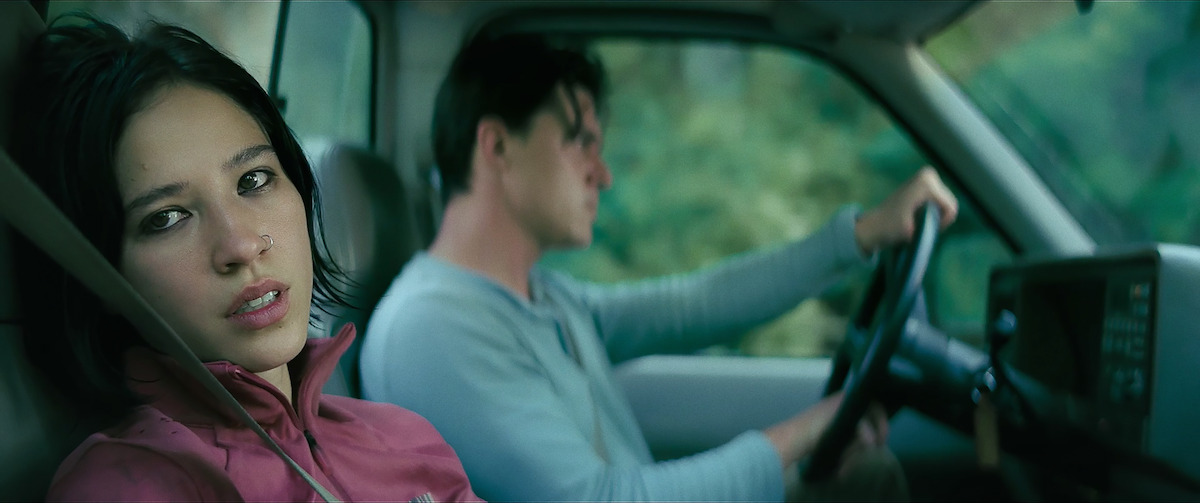
Pacific Northwest isolation - oppressive greens
What this film taught me: constraint as tension. By taking away the protagonist's ability to act, every small movement becomes massive. A finger twitch is a victory. The Pacific Northwest setting - all oppressive greens and fog - becomes a character. Beautiful and indifferent.
The muted earth tones feel like the ground itself is swallowing her. No bright colors to suggest hope. Just survival in the mud.
5. Freedom Writers (2007)
This could've been another white savior movie. It isn't. The students have full arcs. Their stories matter independent of Erin Gruwell.

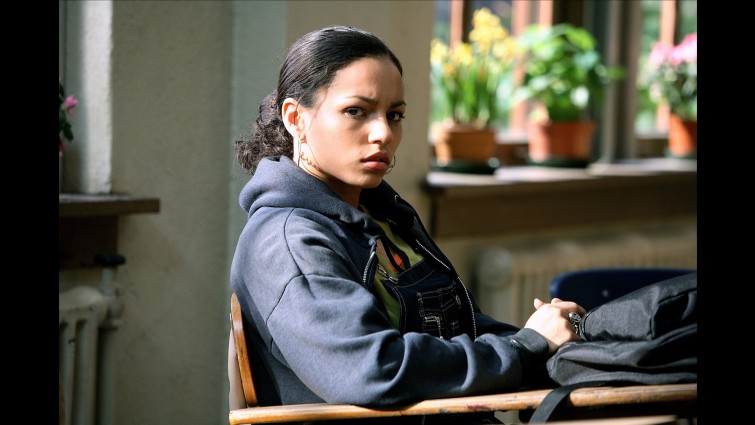
Classroom transformation - warm institutional light
What this film taught me: ensemble emotional storytelling. The classroom scenes don't just show learning - they show transformation. The visual language shifts from harsh, institutional lighting to something warmer as trust builds.
I watched this young and it stuck. Seeing kids who looked like me, from neighborhoods like mine, being told their stories mattered - that landed different.
6. Roll Bounce (2005)
Pure nostalgia done right. Chicago in the 70s, roller skating, and the last summer before everything changes.


70s disco nostalgia - saturated funk
What this film taught me: atmosphere over plot. The story is simple - kid enters skating competition. But the feeling is everything. The saturated colors, the funk soundtrack, the neighborhood cookouts. Malcolm D. Lee captures a specific time and place so vividly you can feel the summer heat.
Sometimes a film doesn't need to be profound. Sometimes it just needs to transport you.
7. Stutterer (2015)
This 12-minute short film won the Oscar, and it deserved it. A man with a stutter navigates a world that won't wait for him to finish his sentences.
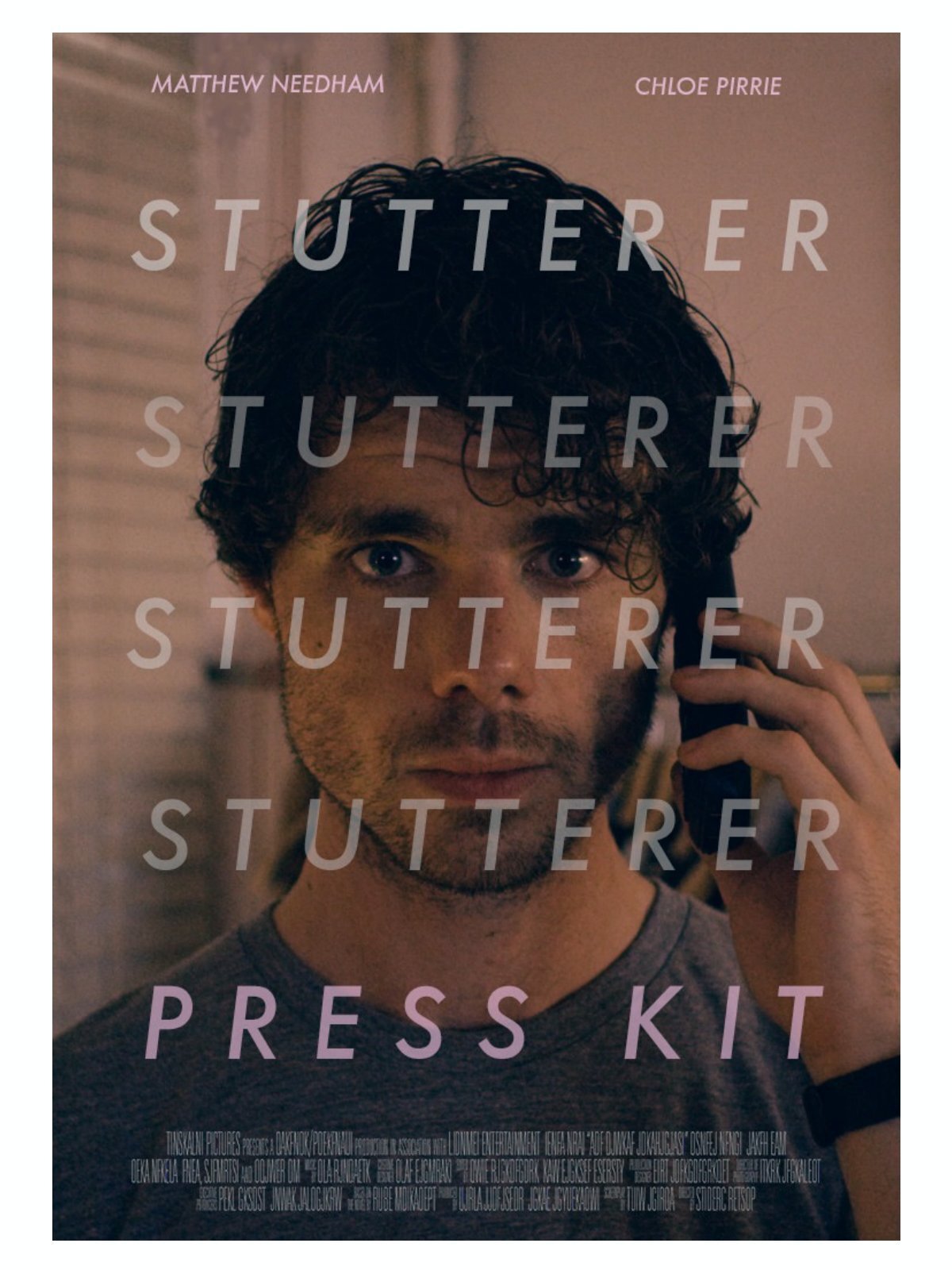

London isolation - muted urban palette
What this film taught me: economy of storytelling. Every frame counts when you have 12 minutes. Director Benjamin Cleary uses text messages as inner monologue - where Greenwood is eloquent, confident, himself. The contrast with his spoken struggles is devastating.
The London gray makes the final burst of warmth hit harder. Connection is color in this film.
8. Parasite (2019)
Bong Joon-ho made a film that shifts genres three times without ever feeling disjointed. Comedy, thriller, tragedy - all in service of one metaphor.
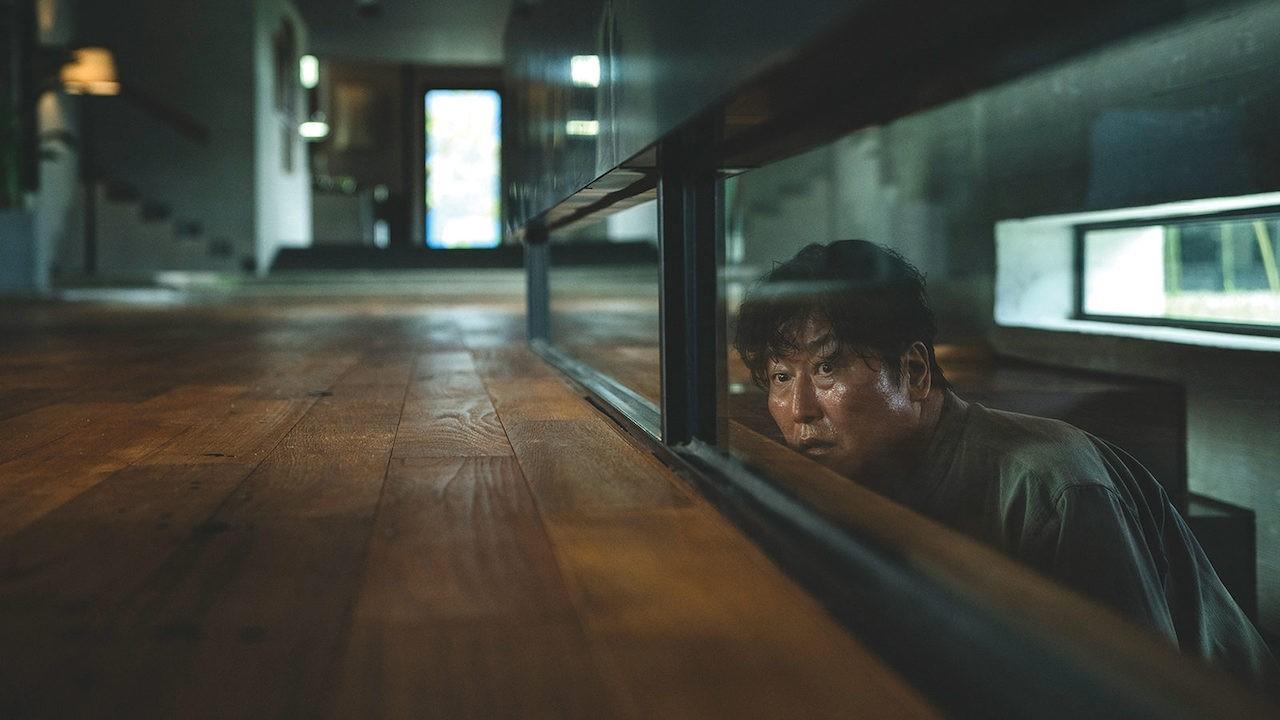
The Park house - pristine minimalism, natural light flooding through glass
What this film taught me: architecture as visual storytelling. The Park house - all glass, clean lines, light flooding in. The Kim semi-basement - cramped, eye-level with the street, catching whatever light slips down. Every frame reinforces the class divide without a single line of exposition.
The rain sequence is cinema. Water flows downhill. So does everything else in this society.
What These Films Share
Looking at this list, I notice patterns:
- Color is never accidental - Every film uses palette to reinforce theme
- Constraint breeds creativity - Limited budgets, simple premises, short runtimes often produce the most inventive work
- Specificity is universal - The more specific the story (Compton tennis courts, 70s Chicago skating rinks), the more it resonates
- Genre is a tool, not a box - The best films borrow from everywhere